Desk essay
How the Language of Service Took Over Executive Theory
Executive culture slowly shifted from demanding blind obedience to prioritizing community support and active stewardship over the last century.
By Morgan Ellis
Morgan Ellis

Watching my uncle sort winter coats in a community center basement in Scranton, Pennsylvania, 1984, the sheer physical labor of community support became obvious. The boxes were heavy. He never complained about the dust or the late hours. Authority rarely looks glamorous when it involves actual work. Corporate environments took decades to catch up to this basic civic truth.
Early management models treated employees like cogs in an industrial machine. The idea that a manager should clear obstacles for their team rather than just shout orders represented a radical departure from factory floor dynamics. Exploring servant leadership principles reveals a deep psychological pivot in how we understand power.
The Corporate Shift Toward Stewardship
Modern management literature gradually abandoned the military commander archetype in favor of the facilitator. We see this transition clearly when examining what modern executives prioritize today.
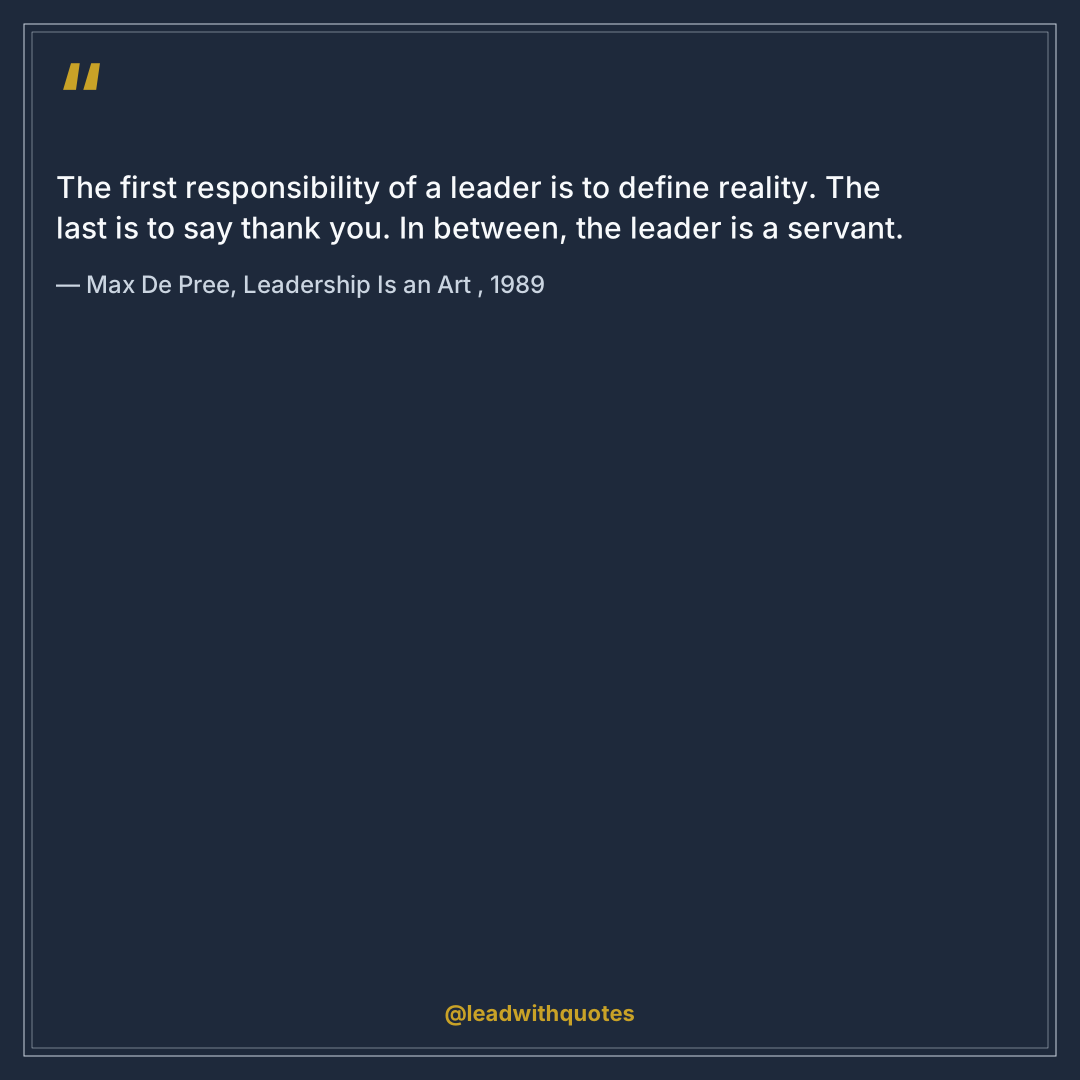
"The first responsibility of a leader is to define reality. The last is to say thank you. In between, the leader is a servant." — Max De Pree, Leadership Is an Art, 1989
De Pree framed the managerial role as a structural support system rather than a throne.
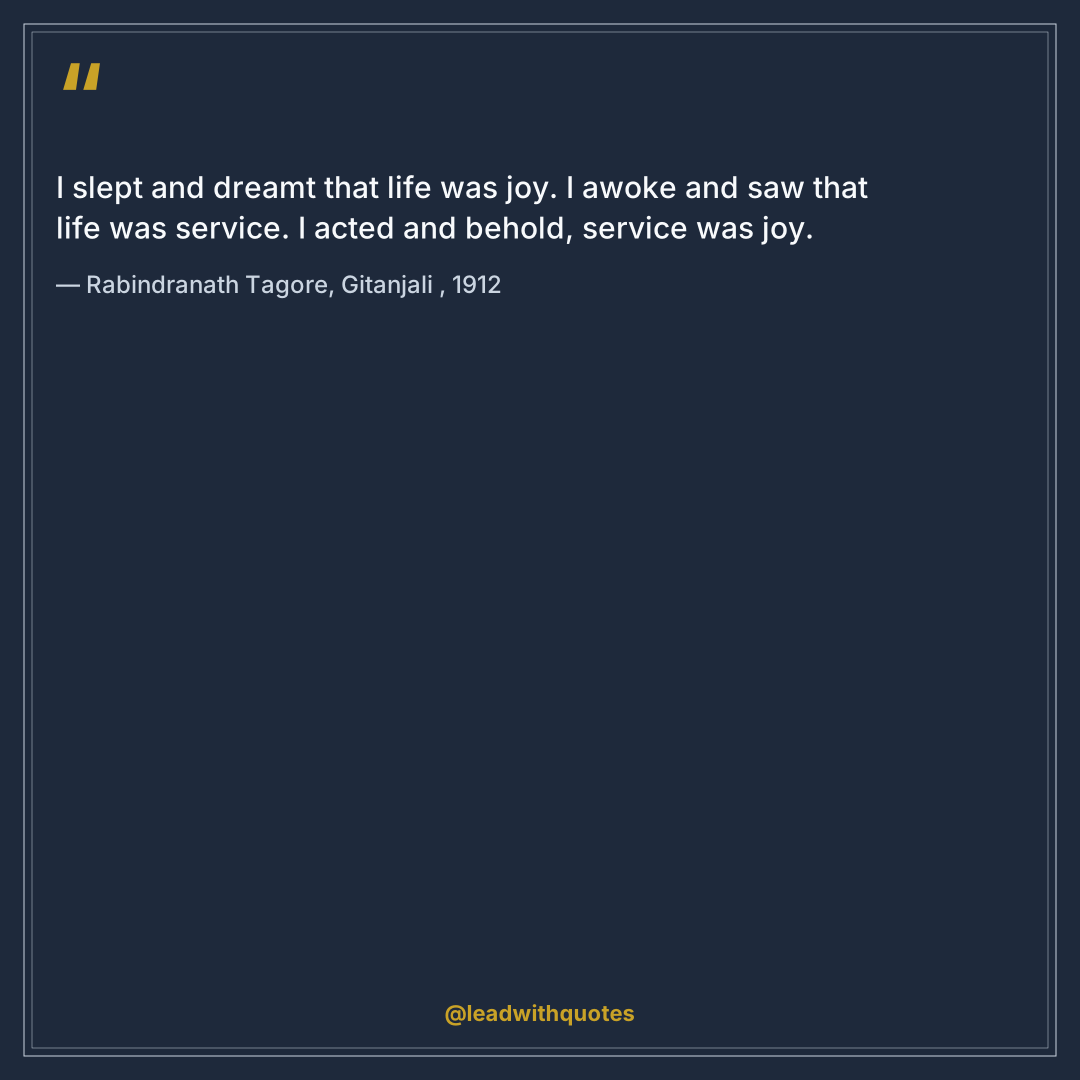
"I slept and dreamt that life was joy. I awoke and saw that life was service. I acted and behold, service was joy." — Rabindranath Tagore, Gitanjali, 1912
This Nobel-winning poet captured the psychological transition from passive consumption to active contribution.
Historical Perspectives on Civic Duty
Long before corporate retreats formalized these concepts, civic organizers understood that influence required sacrifice. The historical record shows that lasting institutions require architects who prioritize the collective good over personal glory.
"Those who are happiest are those who do the most for others." — Booker T. Washington, Up from Slavery, 1901
Washington wrote from the harsh reality of building an educational institution from the ground up in the post-Reconstruction South.
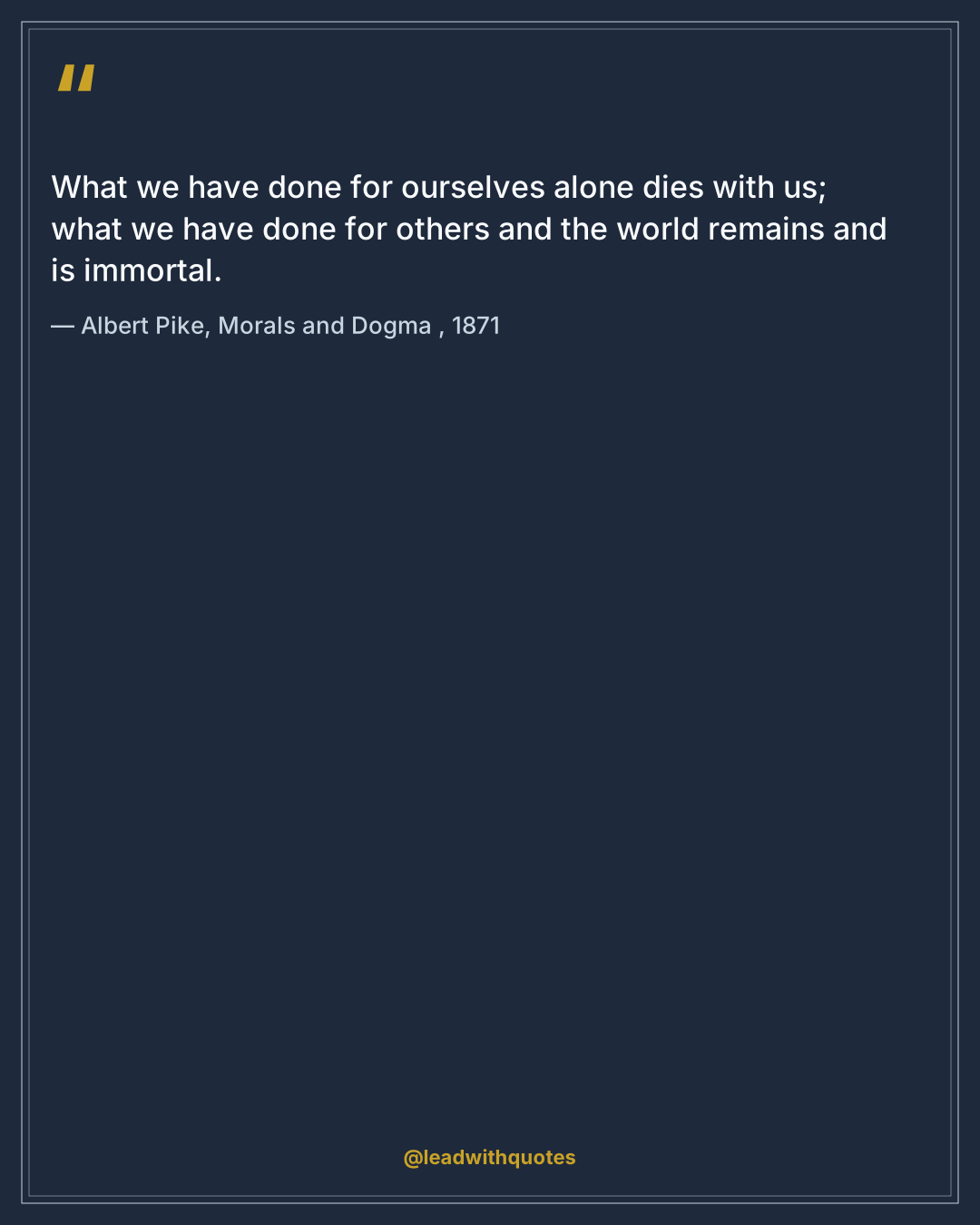
"What we have done for ourselves alone dies with us; what we have done for others and the world remains and is immortal." — Albert Pike, Morals and Dogma, 1871
Pike emphasized legacy over immediate gratification, a concept that continues to anchor modern discussions about generational wealth and institutional memory.
Further reading
- how Greenleaf defined workplace stewardship
- foundational texts on pastoral care
- guidance for grassroots community organizers
Common Questions, Straight Answers
Why did the concept of service enter corporate strategy?
Organizations realized that knowledge workers cannot be managed through intimidation. Retaining highly skilled employees required managers to act as resource providers rather than taskmasters.
Is a service-oriented manager viewed as weak?
Removing obstacles for a team requires significant political capital and emotional regulation. A manager who fights for their team's budget or shields them from executive interference projects intense confidence and authority.
How can I apply this mindset tomorrow morning?
Start your next project meeting by asking your team what specific barriers are slowing them down. Take ownership of clearing those specific hurdles so your colleagues can focus on their actual work.