Desk essay
The Essential Guide to Famous Leadership Quotes: Funny Truths on Authority
Office humor often reveals more about executive dynamics than formal management textbooks ever manage to capture.
By Morgan Ellis
Morgan Ellis

Humor punctures corporate vanity. I first heard this truth from my uncle in a cramped breakroom in suburban Chicago, 2014, while he taped a sarcastic newspaper comic over the perpetually broken coffee machine. Managers often forget that leading humans requires a deep appreciation for the absurd, especially when strategic initiatives inevitably collide with basic human error. If you examine enduring thoughts from historic figures, the most memorable lines rarely sound like a sterile business textbook. They sound like a desperate survival mechanism deployed by exhausted managers.
The Illusion of Control
Executive titles rarely protect anyone.
"The key to being a good manager is keeping the people who hate me away from those who are still undecided." — Casey Stengel, Press Conference, 1960
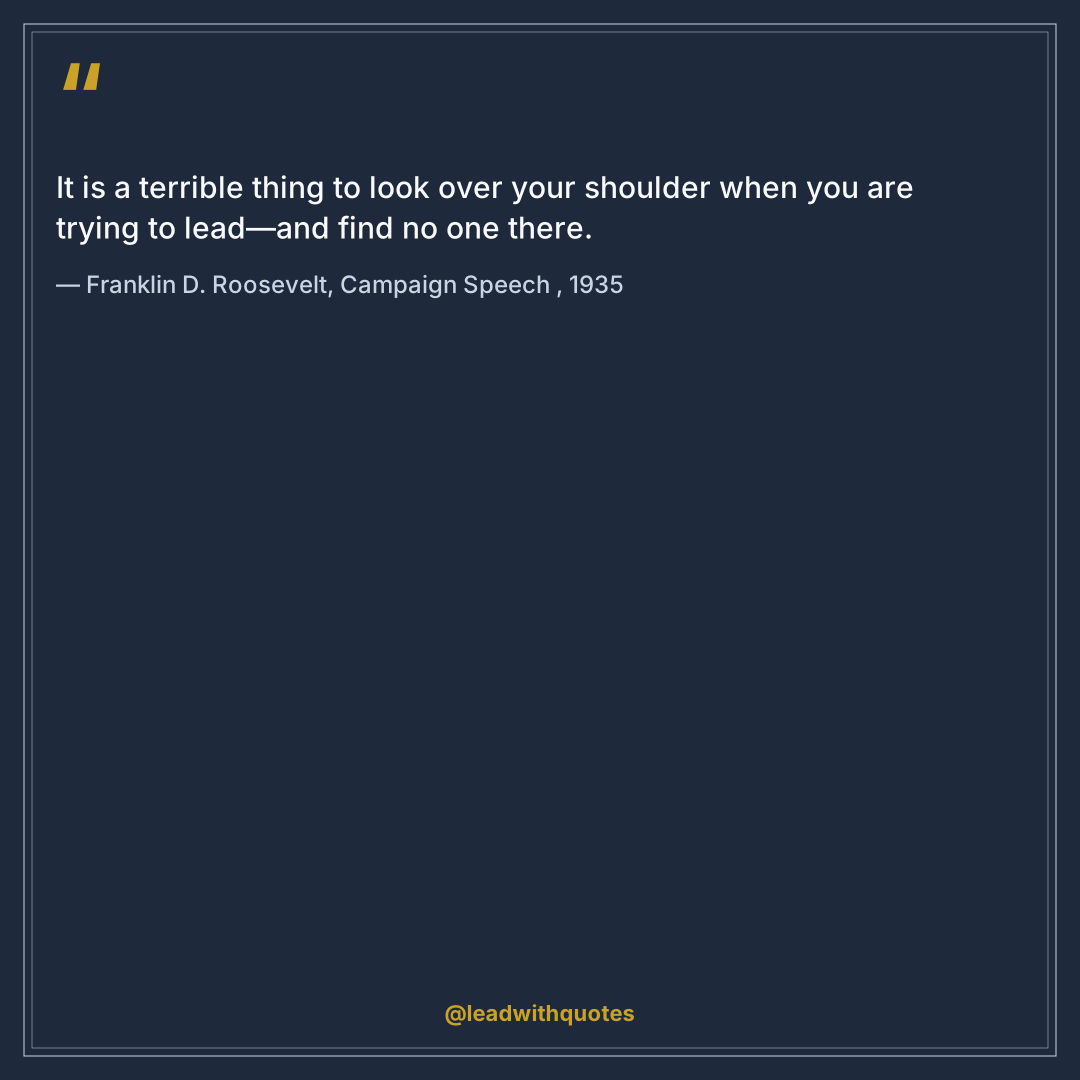
The legendary baseball manager understood that morale management often resembles basic crowd control during a losing streak.
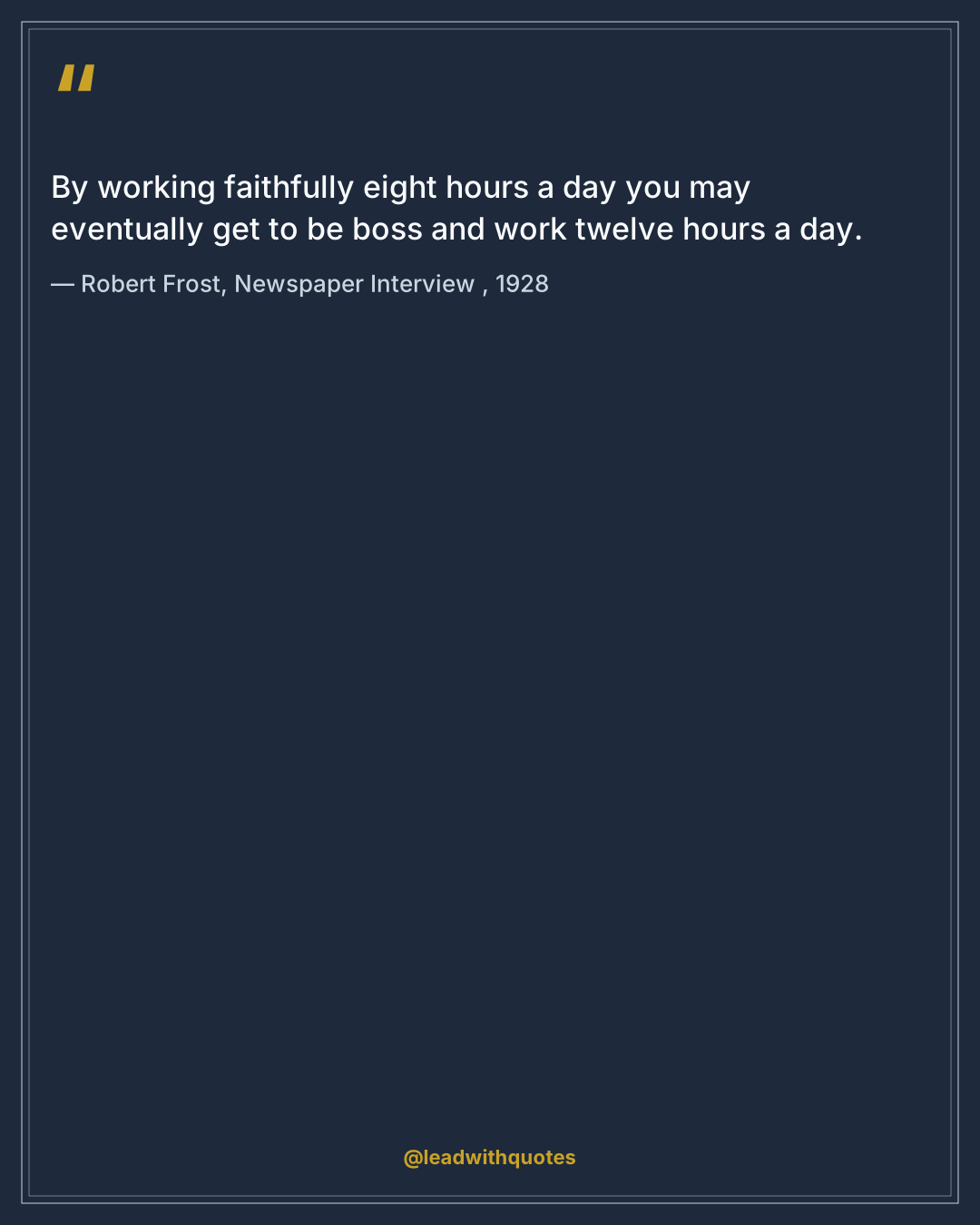
"By working faithfully eight hours a day you may eventually get to be boss and work twelve hours a day." — Robert Frost, Newspaper Interview, 1928
Frost dismantles the myth of upward mobility, reminding ambitious climbers that promotions usually just yield heavier burdens.
Considering how brevity impacts team dynamics, these sharp observations strip away the pretense of authority, proving that humor serves as a highly effective defense mechanism against bureaucratic bloat. Frost published his cynical observation long before the modern five-day workweek fully normalized across American industries.
Meetings and Meddling
Delegation causes immense supervisory anxiety.
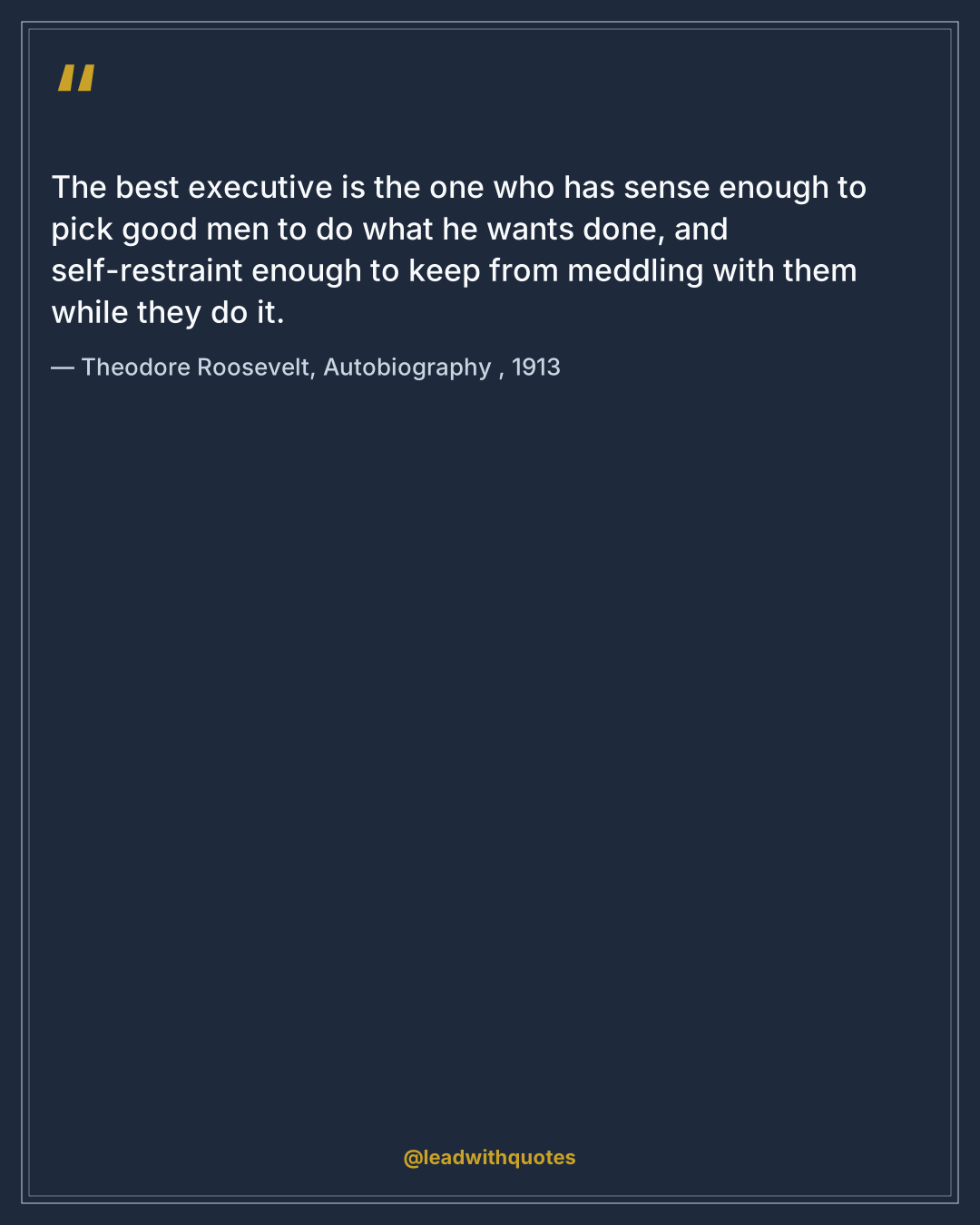
"The best executive is the one who has sense enough to pick good men to do what he wants done, and self-restraint enough to keep from meddling with them while they do it." — Theodore Roosevelt, Autobiography, 1913
Roosevelt identified the micromanagement trap a century before modern offices formalized the concept of hover-management.
"People who enjoy meetings should not be in charge of anything." — Thomas Sowell, Ever Wonder Why?, 2006
Sowell captures the exhausting reality of administrative bloat with absolute precision.
Meetings drain energy constantly. When managers look for what modern executives need to hear, they should probably start by canceling their afternoon calendar blocks, especially since endless boardroom debates about authentic recognition from peers rarely result in actual operational improvements.
Following the Followers
Direction flows both ways always.
"I must follow the people. Am I not their leader?" — Benjamin Disraeli, Parliamentary Debate Context, 1880
The British Prime Minister deployed this witty paradox to explain the reactive nature of political survival.
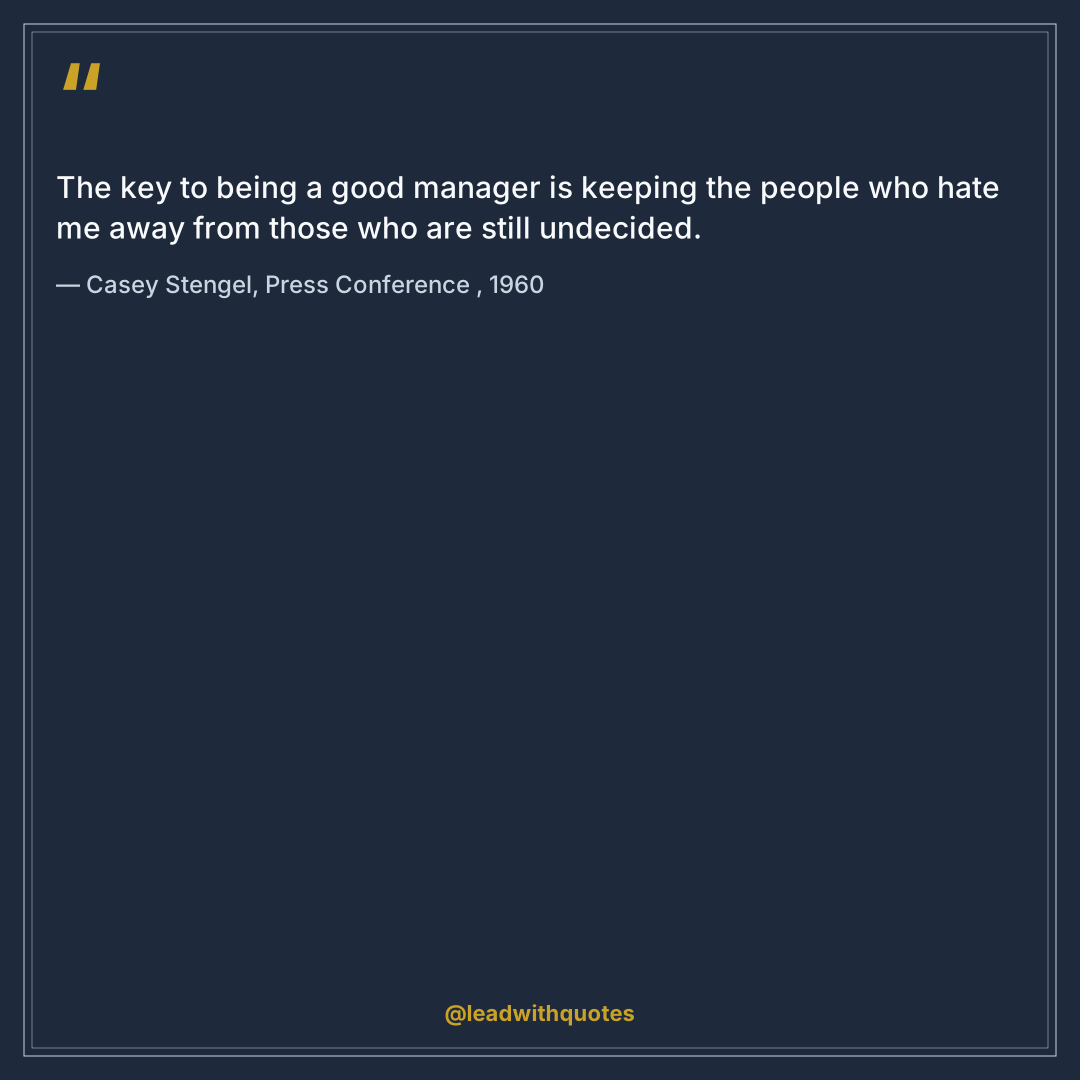
"It is a terrible thing to look over your shoulder when you are trying to lead—and find no one there." — Franklin D. Roosevelt, Campaign Speech, 1935
FDR offered this wry commentary on the danger of outpacing your own coalition during rapid economic reform.
Leaders focused on redefining authority in the modern workplace often discover that their grandest visions require constant backward glances to ensure the team actually left the starting line. FDR delivered his specific warning during the volatile height of the New Deal era.
Common Questions, Straight Answers
Why do executives use humor in speeches?
Self-deprecation disarms skeptical audiences by signaling that the speaker does not take their own title too seriously. A well-timed joke about bureaucratic failure builds immediate trust during tense corporate town halls.
Can a funny quote undermine authority?
Context determines the ultimate impact. Joking about a team's ongoing struggle with a broken software system builds camaraderie, whereas mocking an individual employee's honest mistake destroys psychological safety entirely.
Where did the modern sarcastic office culture originate?
Writers like Joseph Heller and later Scott Adams popularized the cynical view of corporate management, shifting public perception away from post-war organizational loyalty toward a more skeptical view of middle management.